What to consider before planning civil pipeline trenching
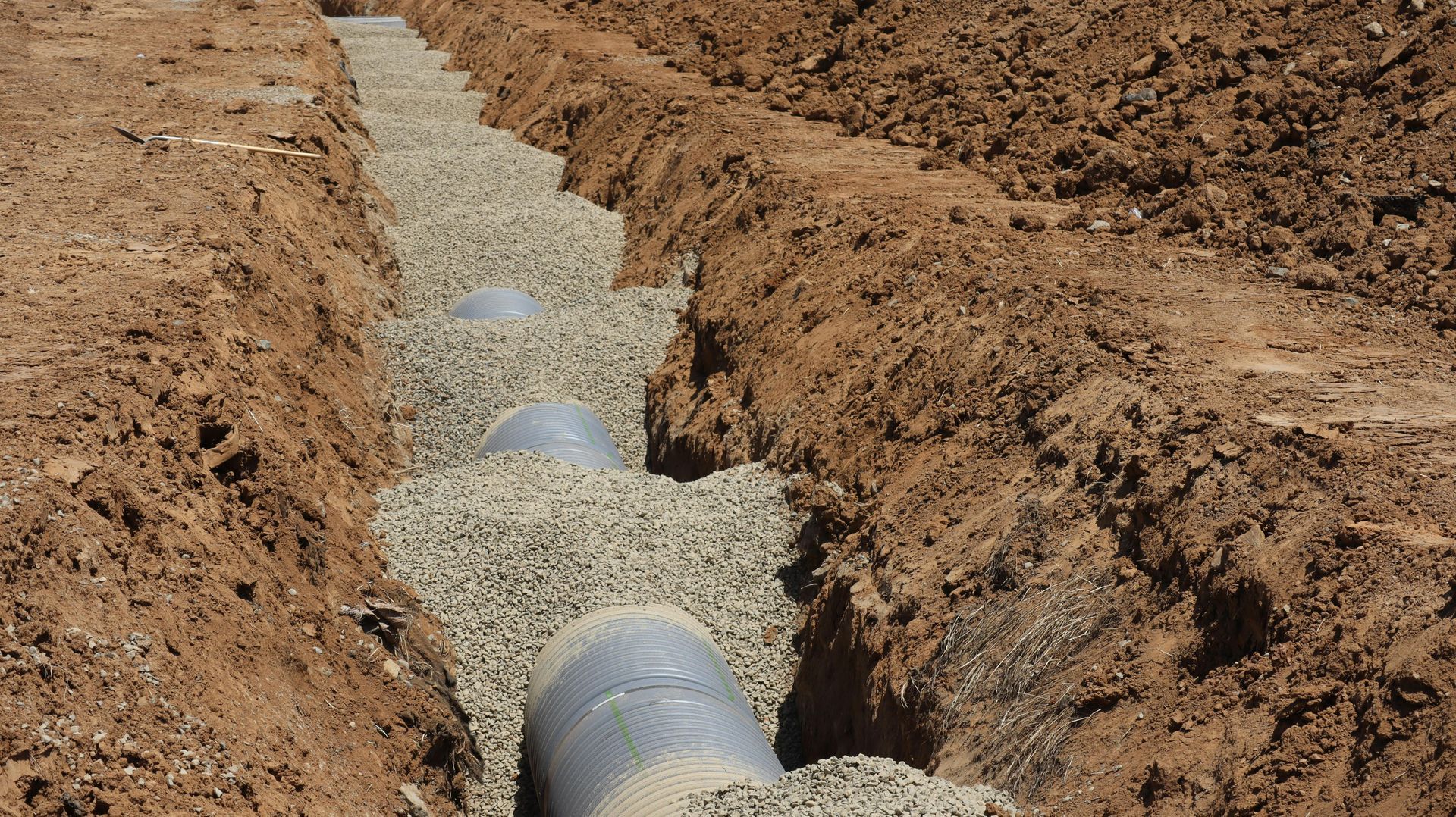
Pipeline trenching can have a major impact on the speed, cost and quality of a civil infrastructure project. Before machinery arrives on site, project teams need to consider ground conditions, pipe material, trench width, installation method, access, backfill requirements and how material will be handled.
For civil contractors and infrastructure developers working across Griffith, the Riverina and regional NSW, planning matters because site conditions can vary quickly. Irrigation areas, rural access tracks, commercial sites and long linear pipeline corridors can all require different trenching equipment and workflows.
This guide outlines practical factors to review before starting civil pipeline trenching and explains where specialist support can help reduce avoidable delays.
Start with the pipeline specification
The first consideration is the pipeline itself. Pipe material, diameter, depth and alignment will influence the machinery needed for trenching and installation. PVC, HDPE, GRP, DICL and concrete pipes can all have different handling and installation requirements, so the trenching approach should be matched to the project specification.
Trench width is especially important. A narrow utility trench may call for a different machine than a wider drainage or irrigation pipeline trench. Depth also matters, as not every trencher is suited to every project profile, particularly when ground conditions are variable.
For projects that need dedicated installation support, explore our civil pipeline construction and installation capability.
Match the trenching equipment to ground conditions
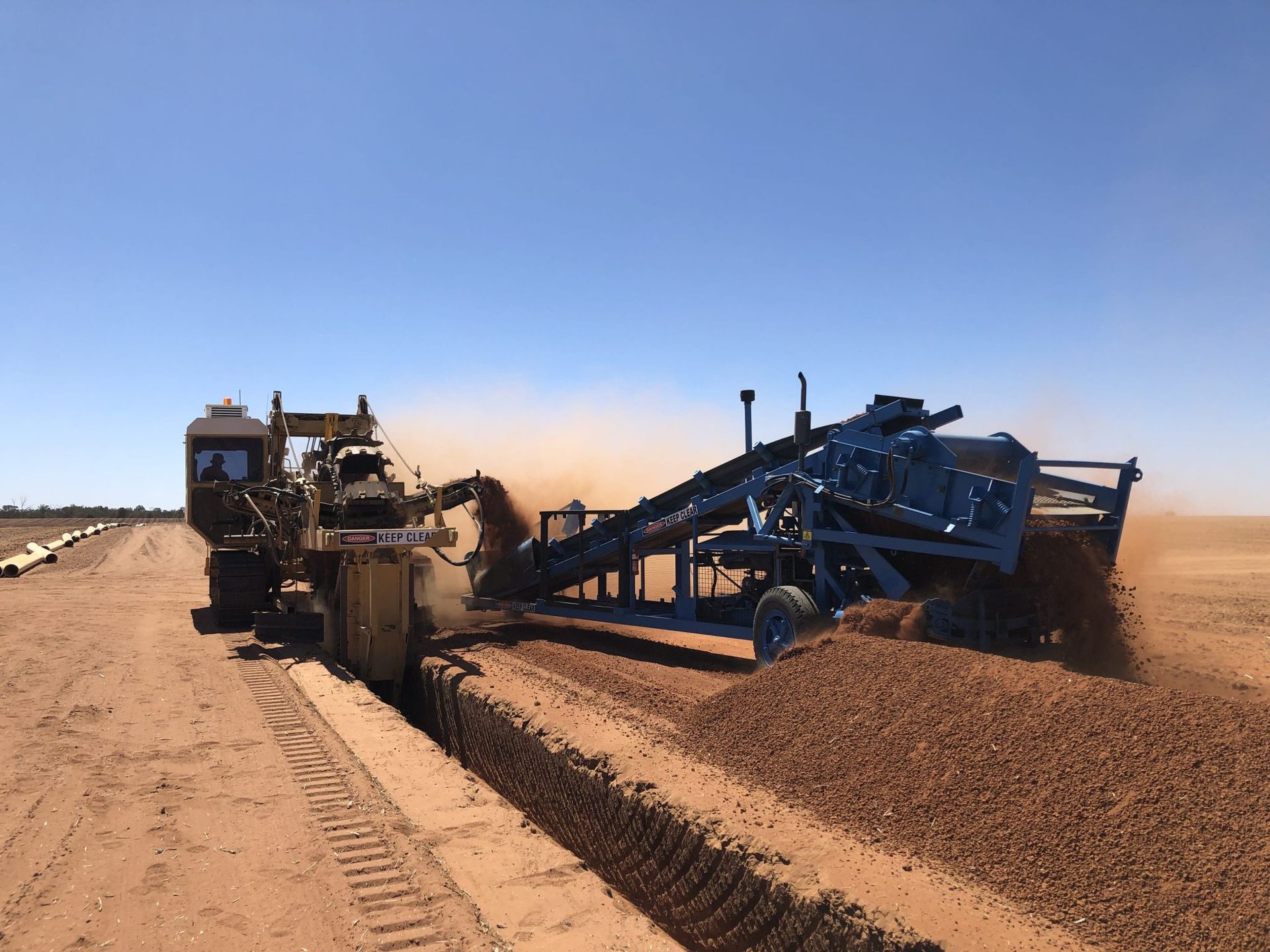
Not all trenching is the same. Bucket wheel trenchers, chain trenchers and rockwheel trenchers each have a place depending on the project. Wet or sticky soils, harder ground, narrow trenching requirements and wider pipeline corridors can all influence the best equipment choice.
Using the wrong machinery can slow progress, increase handling and create avoidable complications. A specialist trenching contractor can help assess whether the work is better suited to bucket wheel trenching, chain trenching, rockwheel trenching or conventional excavation support.
Learn more about our specialised trenching and excavation works if you need support choosing a suitable approach.
Think through backfilling before excavation starts
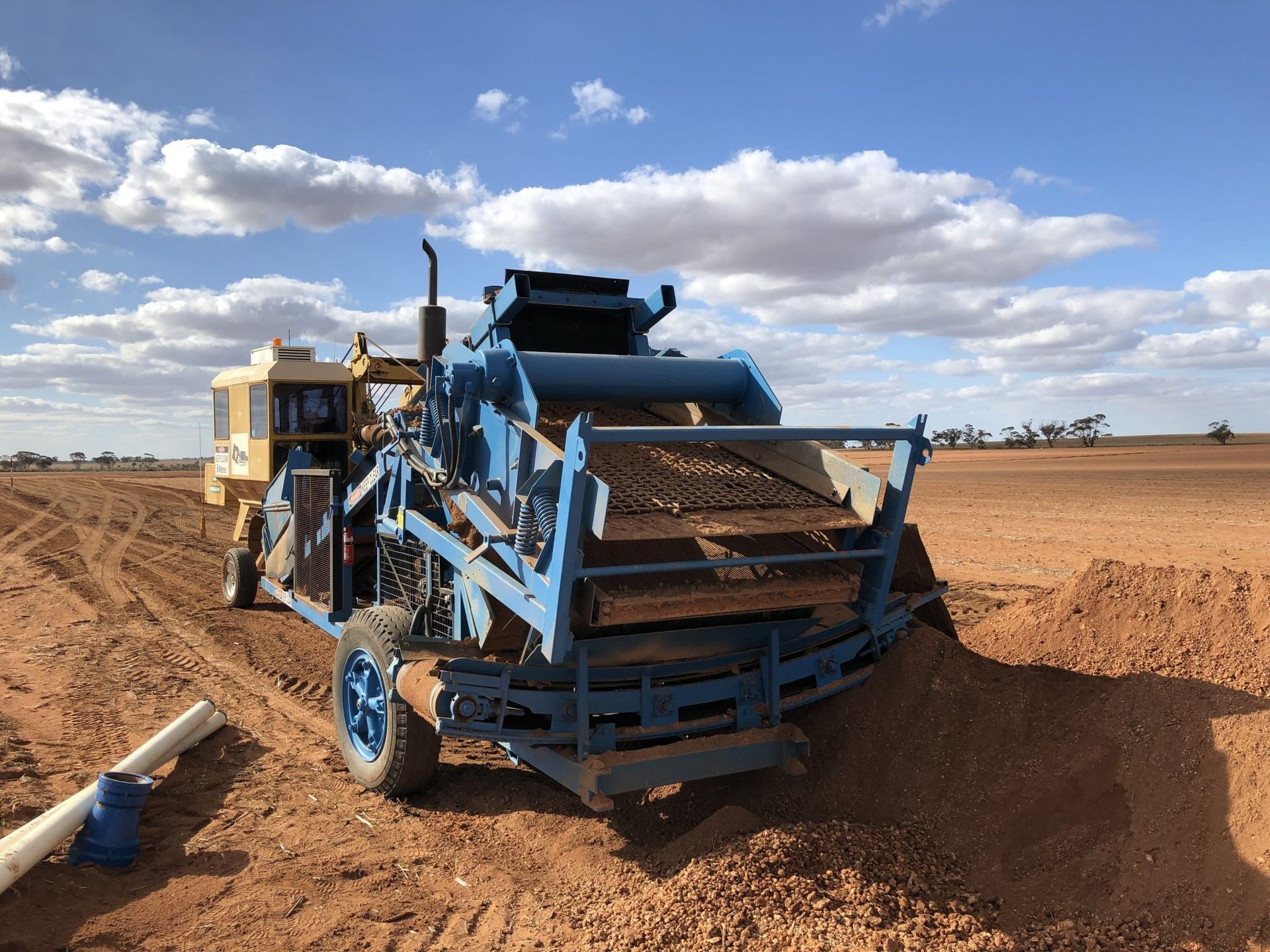
Backfilling is often treated as a later stage, but it should be considered early. If suitable excavated material can be screened, sieved or processed for reuse, the project may reduce unnecessary import, export and cartage requirements.
For pipeline works, bedding and backfill quality can affect the long-term performance of the installation. Planning for soil screening, filtration, sand placement and backfilling from the outset helps create a more efficient workflow and avoids treating material handling as an afterthought.
Our soil screening and backfilling services are designed to support this part of the pipeline installation process.
Consider access, mobilisation and project duration
Regional civil projects often involve practical access questions. Can the machinery reach the trench line safely? Is there room for plant movement, material stockpiling and truck access? Does the project need wet hire operators, Flocon trucks, excavation support or float transport?
For standard works, a local or regional contractor can usually support projects within a practical radius. For larger long-term works, it may be worth mobilising specialist trenching equipment interstate if the project duration and scope justify it.
Conclusion
Good civil pipeline trenching starts before the first cut is made. Pipe material, trench profile, ground conditions, access, backfill planning and equipment selection should all be considered early so the job can move efficiently once works begin.
To explore suitable equipment and methods for your project, read more about our trencher hire and wet hire operation. To discuss a specific pipeline or trenching project, contact our team and we can talk through the scope, site conditions and project requirements.