Bucket wheel vs chain trenchers: which is right?
Choosing the right trencher can make a significant difference to the efficiency of a civil pipeline, drainage or irrigation project. Bucket wheel trenchers, chain trenchers and rockwheel trenchers are not interchangeable tools. Each option is suited to different trench widths, ground conditions, depths and project requirements.
For project managers and civil contractors, the decision should not only come down to what equipment is available. It should consider the trench profile, material conditions, required accuracy, backfill process and how the trenching work fits into the broader installation workflow.
This article explains the practical difference between bucket wheel and chain trenchers, and where specialist advice can help you choose suitable equipment before works begin.
What is a bucket wheel trencher best suited to?
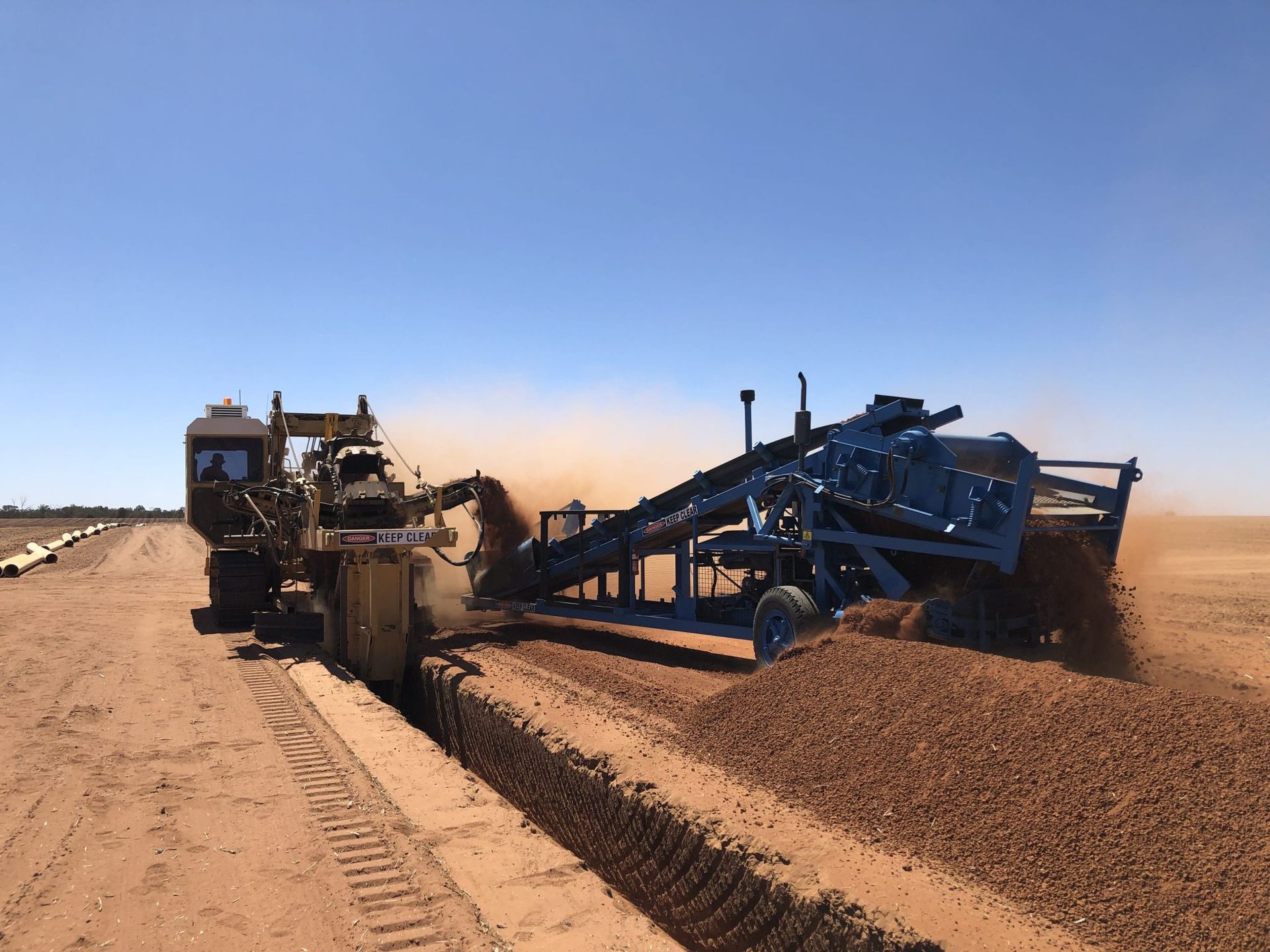
Bucket wheel trenchers are often useful for longer trenching runs where consistent width and efficient material removal are important. They can be suited to pipeline, drainage and irrigation works, especially when the trench profile is predictable and the project benefits from a steady production workflow.
The right bucket wheel trencher will depend on trench width, depth and ground conditions. Larger machines may suit wider civil pipeline works, while smaller units can support narrower trenching requirements where site access and project specification allow.
For projects involving pipeline installation, our pipeline construction and installation service can be coordinated with specialist trenching equipment and operator support.
When does a chain trencher make sense?
Chain trenchers can be useful where the trenching profile, site access or ground conditions call for a different cutting action. They may suit utility trenching, offset trenching or project conditions where a bucket wheel is not the most practical fit.
As with any trenching method, the machine should be selected based on the job rather than the other way around. Trench width, depth, ground conditions, service alignment and surrounding access all affect whether a chain trencher is appropriate.
You can learn more about our trencher hire and wet hire operation if your project needs specialist machine selection and experienced operators.
Where do rockwheel trenchers fit in?
Rockwheel trenchers are designed for harder ground conditions where standard trenching methods may not be suitable. They can be useful when ground material requires more aggressive cutting and when a clean trench profile is still important to the project.
Rockwheel trenching should be assessed carefully, particularly where project conditions are uncertain. Ground testing, service locations, access and production expectations should all be reviewed before the work begins.
For harder ground or broader excavation requirements, our rock and bulk excavation support can be considered alongside trenching options.
Think beyond the trench itself
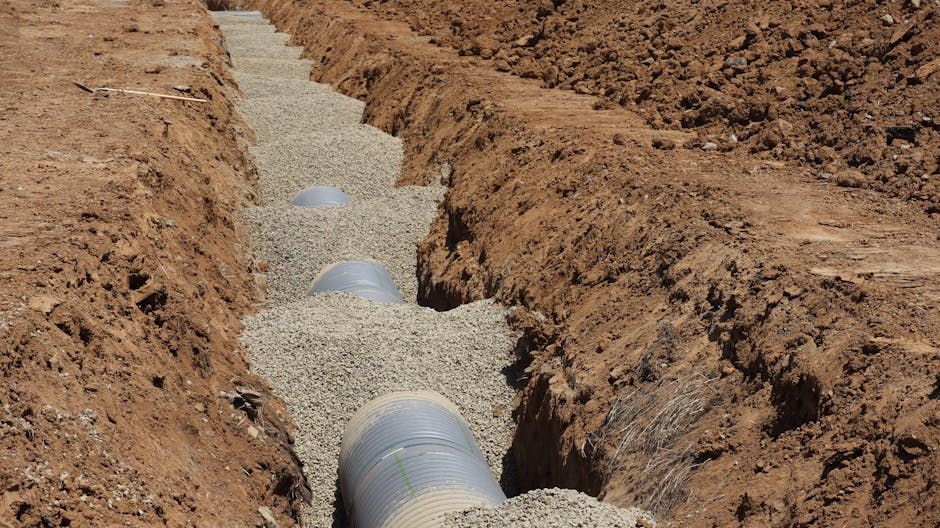
The right trencher is only one part of a successful pipeline or drainage workflow. Project teams also need to consider material handling, screening, bedding, backfilling, sand placement and plant movement across the site.
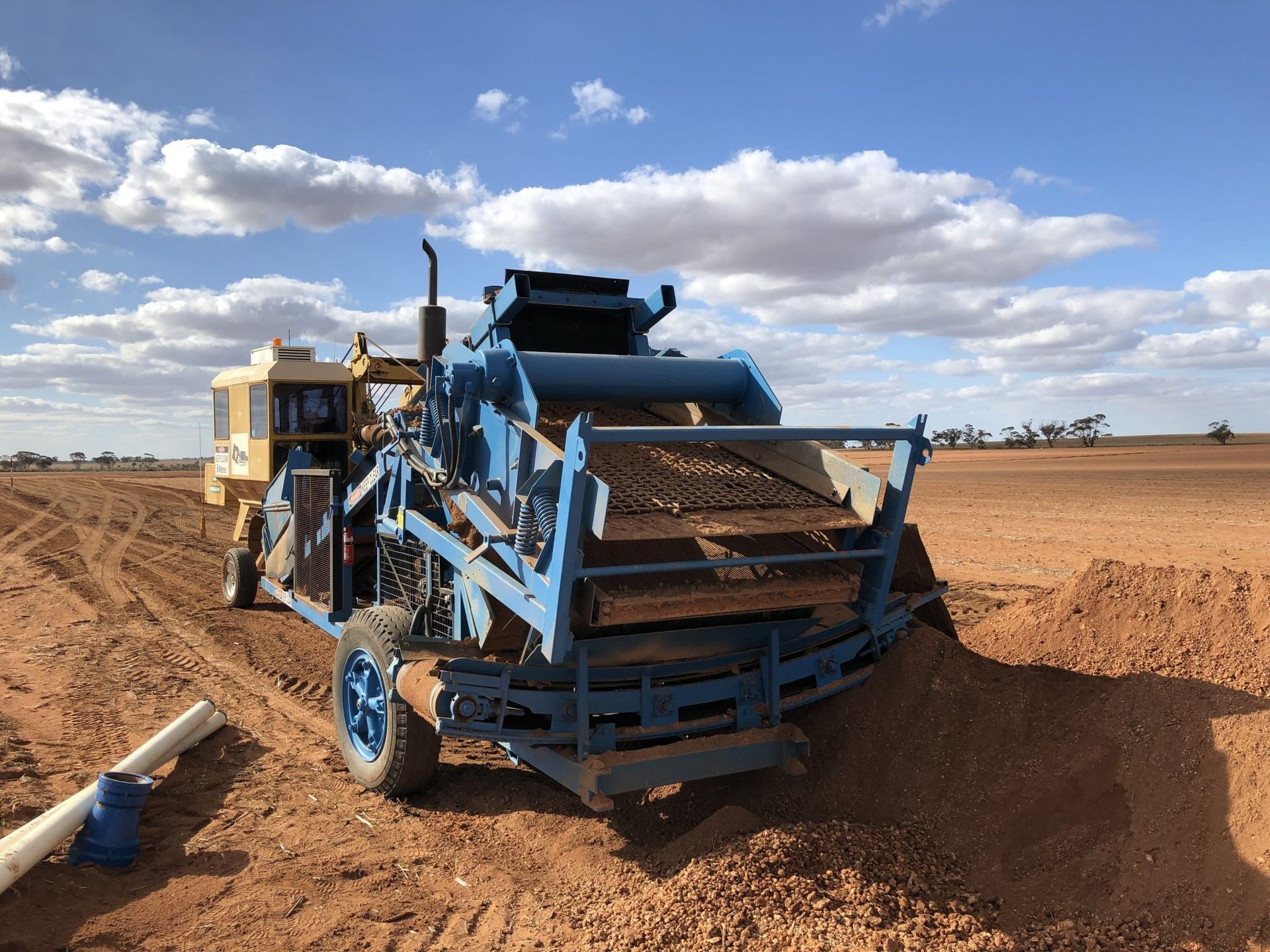
If suitable excavated material can be processed and reused for backfill, the project may reduce handling and cartage requirements. This is why trenching equipment should be considered together with soil screening and backfilling support, rather than in isolation.
Conclusion
Bucket wheel, chain and rockwheel trenchers each have their place. The best option depends on the trench profile, ground conditions, project length, pipe material, access and the overall installation workflow.
To explore practical equipment options, view our specialised trenching and excavation works. If you already have a project scope or trenching specification, contact our team to discuss which machinery may be suitable.